
As businesses grow, managing separate tools for CRM, accounting, marketing, automation, and operations can create inefficiencies, disconnected workflows, and data silos. Integrated business platforms solve this challenge by combining multiple business functions into a single, unified system, improving operational efficiency, automation, and reporting.
Companies evaluating their technology stack often compare all-in-one integrated platforms with stand-alone tools such as specialized CRM, accounting, or marketing systems. Understanding the advantages of each approach helps businesses choose the right technology foundation for long-term growth.
Businesses building a complete technology ecosystem should also review our Online Business Tools page.
You may also want to explore:
What Is an Integrated Business Platform?
An integrated business platform is a centralized software ecosystem that combines key operational systems, including:
-
Customer Relationship Management (CRM)
-
Marketing automation
-
Accounting and financial management
-
Workflow and business automation
-
Inventory and operations management
-
Customer support systems
-
Reporting and analytics dashboards
These platforms allow organizations to manage operations across departments without relying on disconnected applications. The heart of these unified systems is the CRM.
Popular Integrated Business Platforms
Zoho One
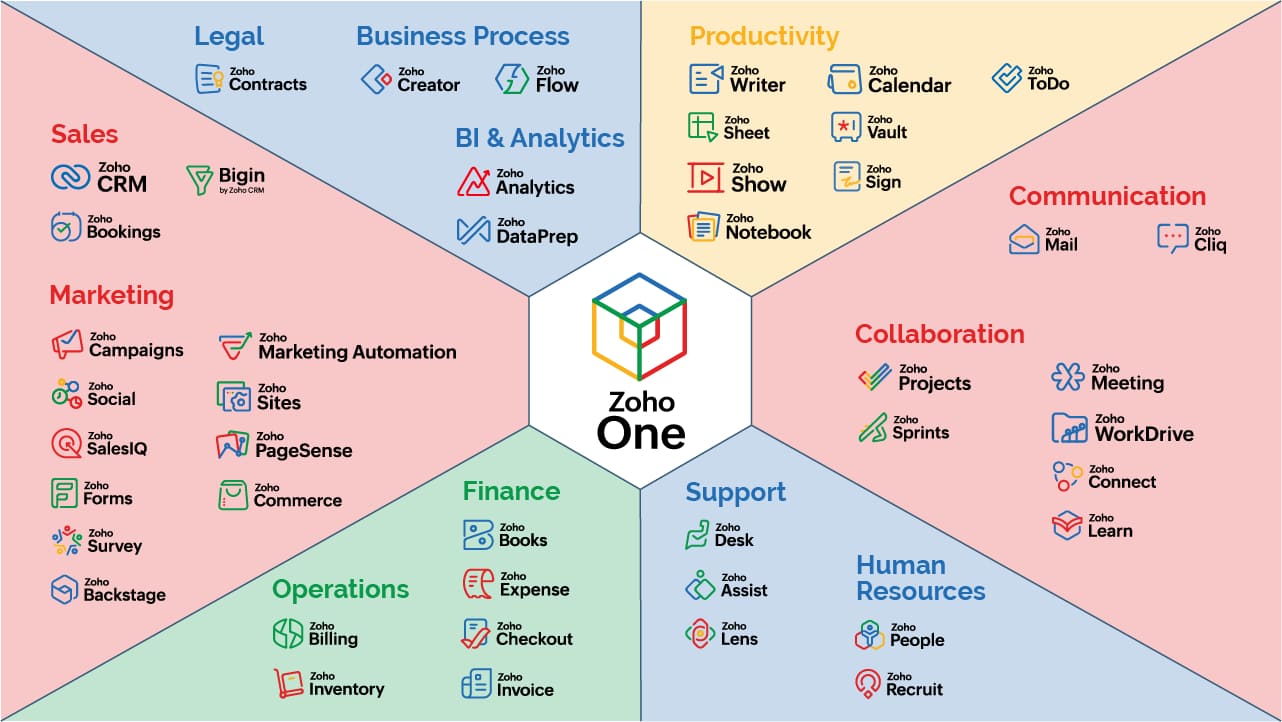
Zoho One offers a comprehensive suite of over forty (40) business applications fully integrated with one another. These include, but are not limited to, CRM, HR, private social platform, communication chat across modules, help desk, accounting (billing/collections), communications, marketing, analytics, subscription management, and other automation tools, making it ideal for small and mid-sized businesses seeking a fully unified system. Learn more about Zoho CRM in our evaluation article 5 Reasons to Use a CRM.
Odoo
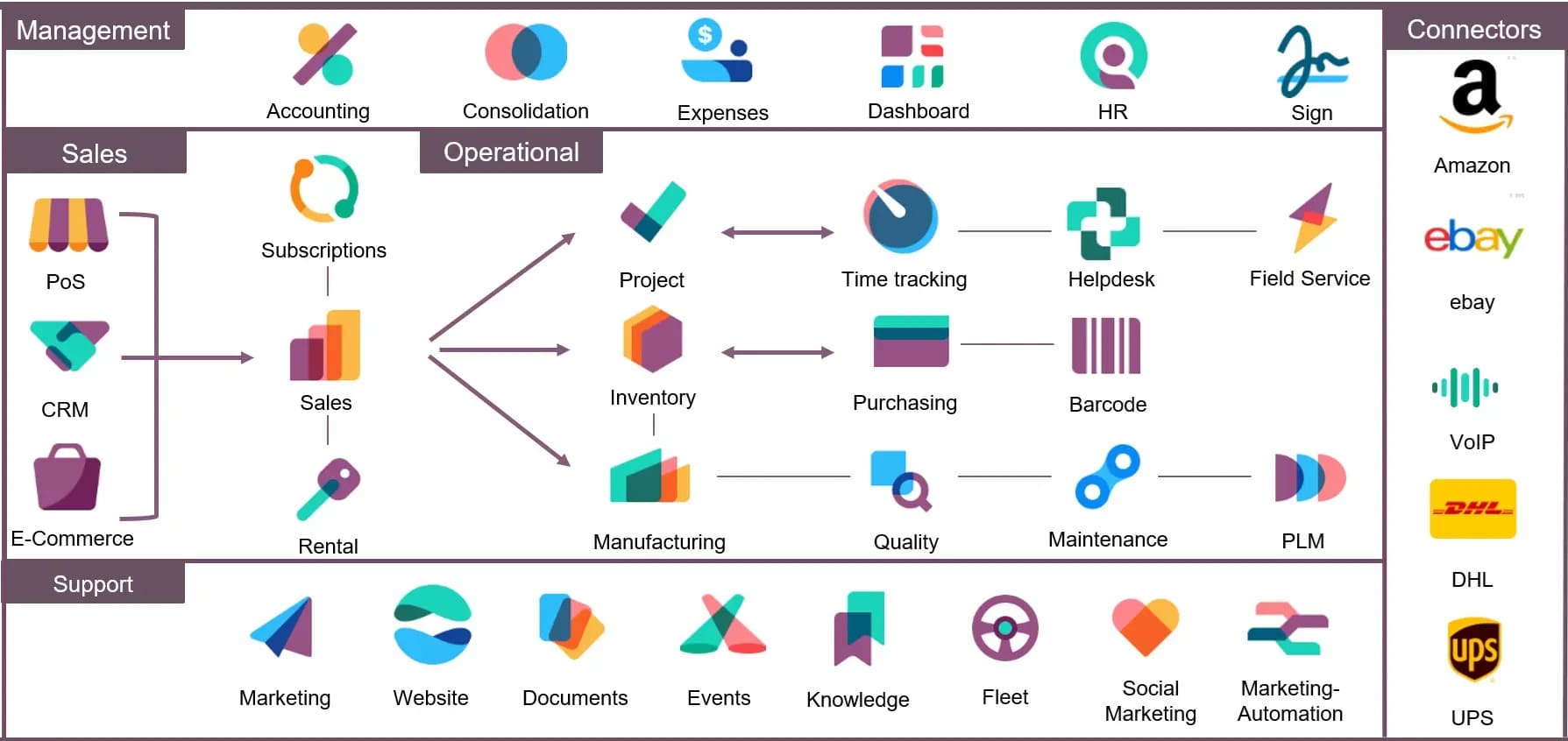
Odoo provides modular ERP-style applications that scale as companies grow. Businesses can implement CRM, accounting, inventory, manufacturing, e-commerce, and operations management modules on a single platform.
HubSpot Ecosystem
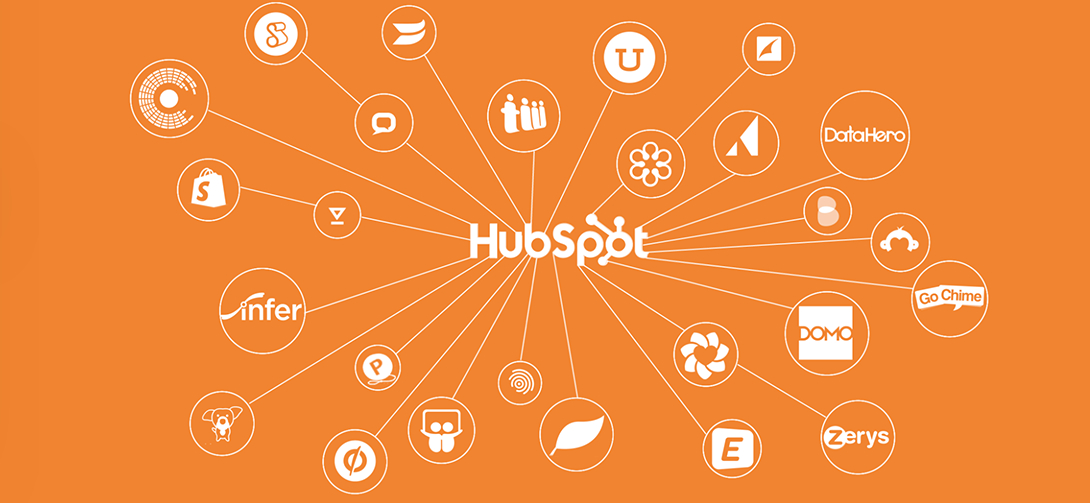
HubSpot is an integrated marketing suite that provides a robust CRM, marketing automation, sales tools, and customer service ticket system in a centralized platform that aligns marketing, sales, and support teams. It does not include accounting, HR, or many other features offered by Odoo or Zoho One.
View CRM Platforms | Five Reasons to Use a CRM | CRM for Smarter Customer Relationships |
Integrated Platforms vs Stand-Alone Tools
Businesses often choose between adopting a unified platform or building a custom stack of specialized tools.
Advantages of integrated platforms
-
Unified data across departments
-
Centralized reporting and analytics
-
Simplified workflow automation
-
Reduced integration complexity
-
Easier system administration
Advantages of stand-alone systems
-
Deeper specialized functionality
-
Greater flexibility in tool selection
-
Best-of-breed solutions for specific departments
Many growing organizations adopt hybrid technology stacks, combining integrated systems with specialized applications when advanced features are required.
Questions? Schedule a free video call consultation
When Businesses Should Consider Integrated Platforms
Integrated platforms are especially valuable when businesses:
-
Manage multiple disconnected tools
-
Experience inconsistent data across systems
-
Require cross-department automation
-
Need centralized dashboards and reporting
-
Are scaling operations rapidly
-
Want simplified software management
Organizations moving from startup to growth stage often benefit most from integrated environments.
How Integrated Platforms Support Growth
All-in-one systems help businesses scale efficiently by:
-
Automating repetitive workflows
-
Improving customer lifecycle visibility
-
Aligning marketing, sales, and service teams
-
Providing real-time operational insights
-
Reducing operational overhead
-
Simplifying technology management
When combined with CRM tools, automation systems, and marketing platforms, integrated ecosystems create a scalable foundation for long-term business expansion.
FAQs – Integrated Business Platforms
What are integrated business platforms?
Integrated business platforms are software ecosystems that combine CRM, marketing, accounting, automation, and operational tools into one unified system.
Are integrated platforms better than stand-alone tools?
Integrated platforms provide centralized data and workflow automation, while stand-alone tools may offer deeper specialized features. Many businesses use hybrid stacks combining both.
Which integrated platforms are most popular?
Common examples include Zoho One, Odoo, and HubSpot, each offering broad functionality across multiple business operations.
When should a business move to an integrated system?
Businesses typically transition when managing multiple disconnected tools becomes inefficient or when scaling operations requires centralized reporting and automation.
Can integrated systems reduce operational costs?
Yes. Consolidating multiple tools into one platform can reduce licensing costs, integration expenses, and administrative overhead.