
What Are Business Automation Tools?
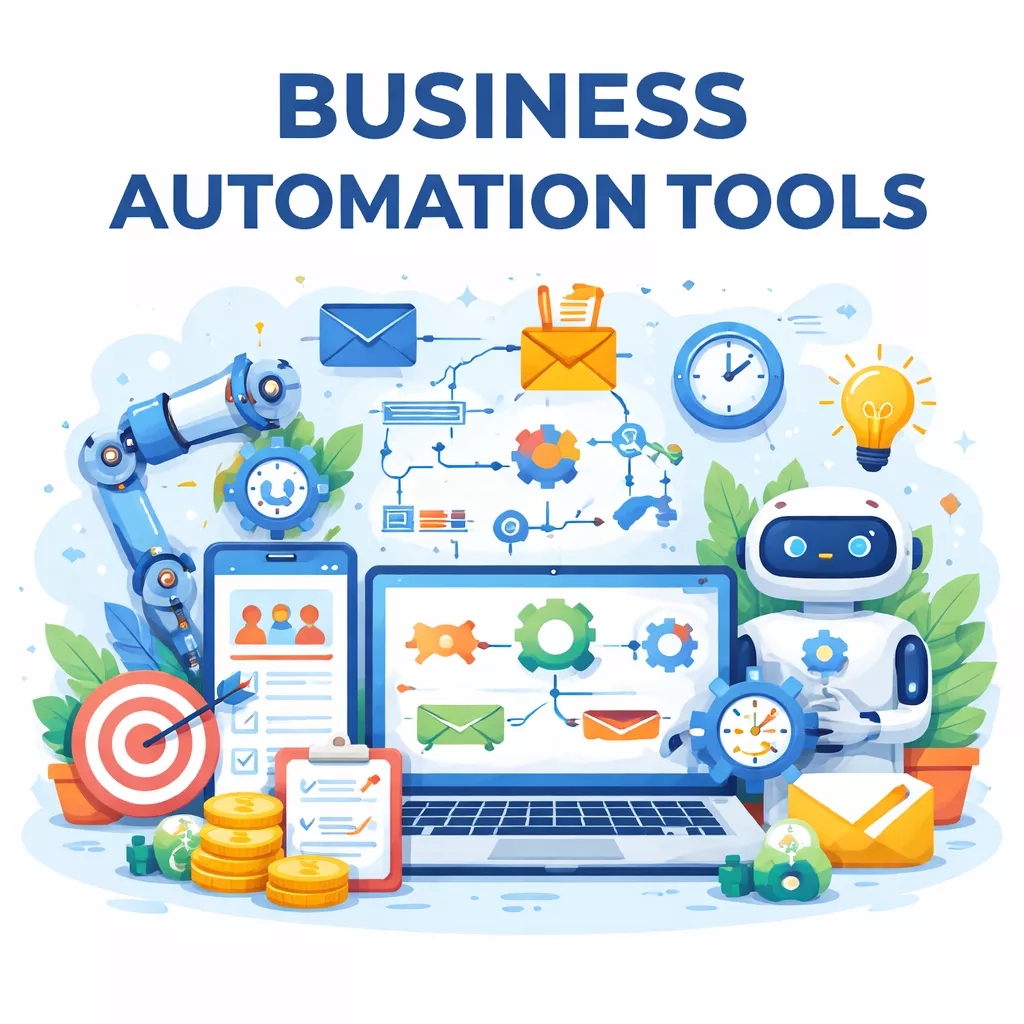
Business automation tools are software platforms designed to automate repetitive tasks, streamline workflows, and integrate multiple operational systems. Most automated platforms today are cloud-based subscription models.
By automating processes such as customer communications, sales processes, marketing campaigns, invoicing, reporting, and task management, businesses can reduce manual work, minimize errors, and improve overall efficiency.
Automation is to your time what compound interest is to your money
- Rory Valen
Learn more about using online business tools.
Key Types of Business Automation Tools
CRM and Sales Automation
CRM automation tools manage leads, automate follow-ups, track customer interactions, and support sales pipelines. Automated workflows help ensure that no opportunity is missed and customer communication remains consistent.
Common CRM automation features include:
-
Lead assignment workflows
-
Automated email follow-ups
-
Pipeline tracking automation
-
Customer lifecycle triggers
Learn more about CRM Platforms | 5 Reasons to use a CRM & our Top 10 CRMs |
Marketing Automation Platforms
Marketing automation tools help businesses manage email campaigns, customer journeys, social media scheduling, and lead nurturing. These systems allow companies to deliver targeted messaging at the right time while tracking engagement and conversion metrics.
Marketing automation often includes:
- Business Listing Sync management
-
Email marketing automation
-
Newsletter campaign scheduling
-
Social media publishing automation
-
Content marketing workflows
-
Lead scoring and segmentation.
View marketing tools | Consider an all-in-one dashboard
Workflow and Operations Automation
Operational automation platforms streamline internal workflows, approvals, project management, and team collaboration. These tools help reduce manual coordination and ensure tasks move through processes efficiently.
Typical workflow automation functions include:
-
Task automation rules
-
Project workflow triggers
-
Document approval automation
-
Internal notification systems
Need help setting up a project management & task system? Request a free consultation.
Financial and Accounting Automation
Automation in accounting systems simplifies invoicing, expense tracking, payroll processing, and financial reporting. Automated financial workflows reduce administrative workload and improve financial accuracy.
Common accounting automation capabilities:
-
Recurring invoicing
-
Automated payment reminders
-
Expense categorization
-
Financial reporting automation
Need guidance for the setup of accounting and billing systems? Request a free consultation.
Integration and API Automation Platforms
Integration platforms connect multiple software systems so that data flows automatically between tools. These solutions ensure that CRM, marketing, accounting, and analytics systems remain synchronized without manual data entry.
Integration automation benefits include:
-
Cross-platform data synchronization
-
Workflow automation across applications
-
Centralized automation management
-
Reduced data duplication
Integrated Platforms vs. Stand-Alone Automation Tools
Some businesses prefer fully integrated ecosystems, such as Zoho One or Odoo, which provide automation across CRM, accounting, marketing, and operations on a single platform. Others combine specialized, standalone tools for project management, SEO, accounting, or marketing automation that integrate via connectors or APIs. The best approach depends on business complexity, scalability needs, and operational structure.
Benefits of Implementing Business Automation Tools
Organizations that implement automation systems often experience:
-
Increased operational efficiency
-
Reduced manual workload
-
Improved customer response times
-
Better data consistency across systems
-
Scalable operational workflows
-
More accurate reporting and analytics
Automation enables businesses to scale operations without proportionally increasing administrative overhead. Don't forget to choose an easy-to-use and integrated domain registration and hosting platform.
Strengthen Your Business with Smart Automation
Adopting the right business automation tools helps companies streamline workflows, connect systems, and improve performance across departments. Whether using integrated platforms or specialized automation tools, businesses that automate processes position themselves for faster growth and improved operational efficiency.
Be sure to review the business tools checklist to develop an appropriate software stack.
All In One Dashboard
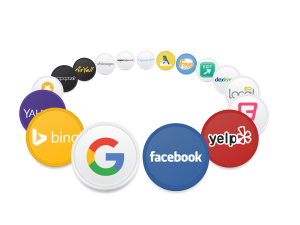
The Business Listing Sync dashboard provides a suite of subscription-based tools, all managed from a single dashboard.
Sign up for SEO Local to create an account, then subscribe to the tools you prefer.
Features:
- CRM with automation Iincluded free)
- Business listing sync (70 directories
- Citations disributiton (200)
- AI Chatbot (view example in real time HERE. It answers visitor inquiries and books meetings.
- Reputation Management (reviews)
- Social Media Management - post one broadcast to all your social media pages
- Campaigns Pro -- newsletter and SMS management
There is a free automation tool you can use to build your workflow, including an AI component.
Learn more here
FAQs — Business Automation Tools
What are examples of business automation tools?
Examples include CRM automation platforms, marketing automation systems, workflow automation tools, accounting automation software, and integration platforms that connect multiple applications.
Are integrated platforms better than stand-alone automation tools?
Integrated platforms offer centralized management and unified cross-data capabilities, while standalone tools, in some cases, provide deeper specialization. Many businesses use a hybrid approach depending on their operational needs.
How do automation tools improve productivity?
Automation eliminates repetitive manual tasks, reduces human error and redundancy, accelerates workflows, and allows teams to focus on strategic activities that drive growth.
Can small businesses benefit from automation?
Yes. Even small businesses can significantly improve efficiency and customer experience by automating communication, scheduling, invoicing, and reporting tasks.
Do automation tools integrate with CRM and marketing platforms?
Most modern automation platforms integrate directly, providing synchronized data and automated workflows across systems.